

When you are tasked with cutting asphalt pavements, setting the cutting depth correctly is the cornerstone for both quality and efficiency. Each construction scenario—be it municipal road repair or pre-fabricated slab cutting on sites—demands precise adaptation of your concrete cutting machine’s parameters. Understanding how to adjust blade speed, feed rate, and cooling water flow based on the asphalt type and concrete strength will help you avoid uneven cuts, minimize equipment wear, and reduce downtime.
Asphalt pavements vary widely by binder composition and aggregate size, while concrete strength grades influence resistance to cutting. For example, a high-strength concrete (above 40 MPa) requires slower feed rates and higher blade speed to prevent blade overheating. Meanwhile, dense asphalt mixes with high polymer content call for increased cooling water to maintain blade integrity.
| Material Type | Blade Speed (rpm) | Feed Rate (mm/s) | Cooling Water Flow (L/min) |
|---|---|---|---|
| Asphalt (Polymer-rich) | 4000-4500 | 5-7 | 8-10 |
| Concrete Grade 30 MPa | 3500-4000 | 4-6 | 6-8 |
| Concrete Grade 40 MPa+ | 3000-3500 | 3-5 | 7-9 |
Adjust these parameters iteratively. Start within the recommended ranges, observe cut quality and blade integrity, then fine-tune accordingly.
Blade wear is inevitable but predictable. Monitor your blade edges after every 20 meters of cutting distance. Signs such as increased vibration, pulling, or chipping indicate the need for immediate replacement or dressing.
Timely blade replacement coupled with correct parameter settings extends your cutting equipment’s life and ensures repeatable precision — key factors that support project timelines and cost control.
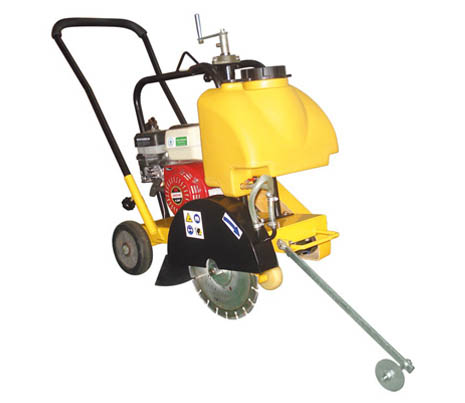
By incorporating these detailed operational insights and maintenance practices, you can confidently enhance your asphalt pavement cutting projects’ accuracy and efficiency.
 203
|
203
|
 welding current adjustment
welding current settings guide
welding parameters optimization
welding defect solutions
70-220A welding current
344
|
diesel engine maintenance
air filter replacement cycle
oil filter replacement
common diesel engine faults
daily maintenance guide
45
|
Diesel engine fault diagnosis
Diesel engine starting difficulty troubleshooting
Causes of diesel engine power decrease
Abnormal smoking treatment methods
Engine daily maintenance guide
385
|
Concrete cutter selection
Cutting depth adjustment
Rustproof water tank advantages
Road surface cutting equipment performance
Equipment operability
326
|
Diesel engine starting methods
Single-cylinder air-cooled diesel engines
Engine maintenance techniques
Agricultural machinery power solutions
Outdoor engineering equipment power configuration
welding current adjustment
welding current settings guide
welding parameters optimization
welding defect solutions
70-220A welding current
344
|
diesel engine maintenance
air filter replacement cycle
oil filter replacement
common diesel engine faults
daily maintenance guide
45
|
Diesel engine fault diagnosis
Diesel engine starting difficulty troubleshooting
Causes of diesel engine power decrease
Abnormal smoking treatment methods
Engine daily maintenance guide
385
|
Concrete cutter selection
Cutting depth adjustment
Rustproof water tank advantages
Road surface cutting equipment performance
Equipment operability
326
|
Diesel engine starting methods
Single-cylinder air-cooled diesel engines
Engine maintenance techniques
Agricultural machinery power solutions
Outdoor engineering equipment power configuration


.jpg?x-oss-process=image/resize,h_800,m_lfit/format,webp)




