Diesel engines remain the backbone of many heavy-duty applications such as agricultural machinery and construction equipment. A critical factor in maximizing their power efficiency lies in the design and technology of the fuel injection system. This article delves into the operational principles of diesel fuel injection systems, emphasizing how innovations like high-pressure injection and V-type twin-cylinder configurations profoundly impact fuel economy, noise reduction, and emission controls.
At the core, the diesel fuel injection system precisely meters and atomizes fuel into the combustion chamber under high pressure. This precise delivery ensures optimal air-fuel mixing, enabling more complete combustion, which directly translates to higher thermal efficiency. Modern systems operate at pressures exceeding 2,000 bar (approx. 30,000 psi), compared with older technologies capped at 1,000 bar, achieving finer droplet size and faster evaporation rates.
Such improvements enable fuel savings of up to 8-12% in typical agricultural diesel engines, while simultaneously reducing unburned hydrocarbons and particulate emissions. Coupled with electronic control units (ECUs), real-time adjustments to injection timing and quantity further enhance responsiveness to varying load conditions.
The V-type twin-cylinder configuration is gaining traction due to its compactness and balance advantages. By arranging two cylinders in a V shape, manufacturers achieve smoother engine operation with reduced vibration, a key factor for heavy equipment durability. When integrated with a four-stroke water-cooled mechanism, thermal management improves, maintaining optimal combustion temperatures that prevent power loss and excessive emissions.
This synergy results in a steady torque output curve, crucial for tasks requiring constant power delivery such as plowing or lifting. Data from a leading agricultural equipment supplier shows that engines employing this design see a 10% increase in power density compared to inline twin-cylinder counterparts.
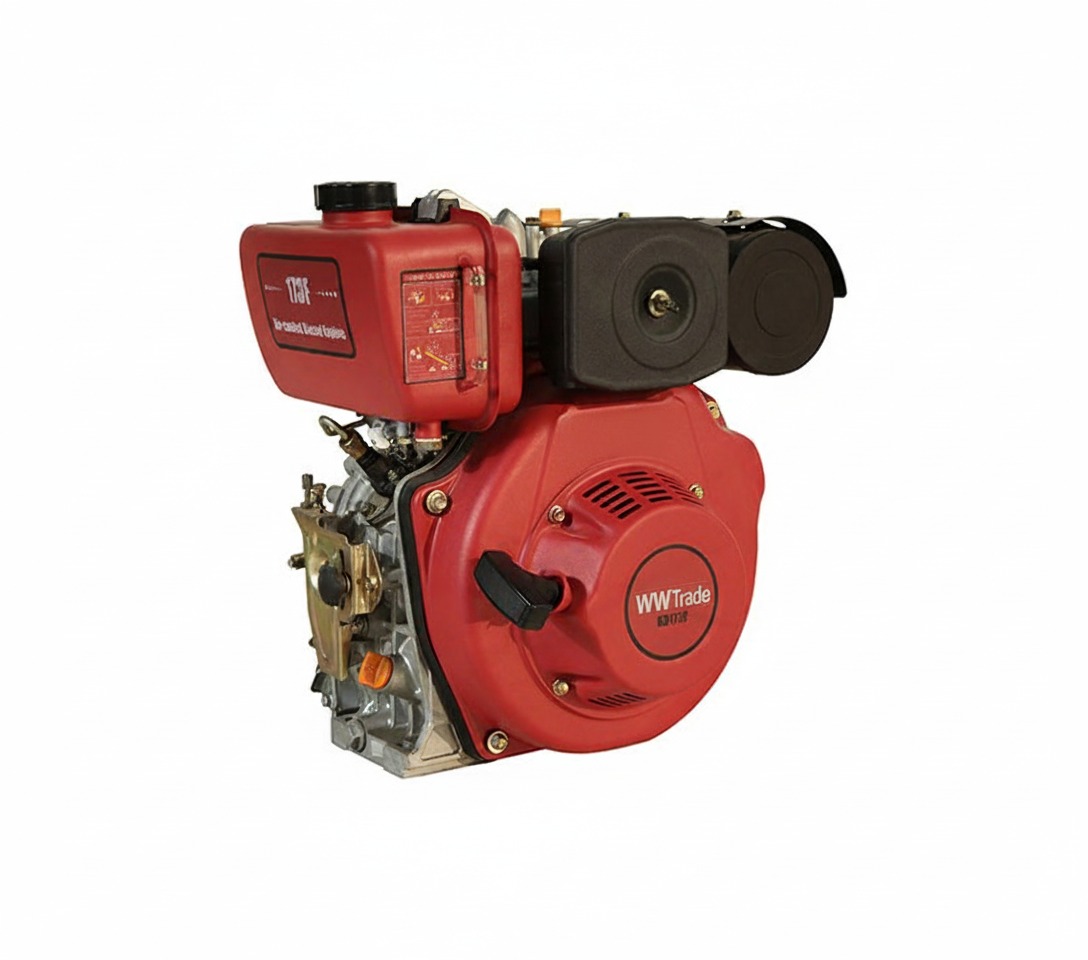
Diesel injection technologies must align with stringent global norms such as EPA Tier 4 in the U.S. and EU Stage V in Europe, which mandate significant reductions in NOx and particulate matter. High-pressure common rail systems paired with advanced electronic controls are instrumental in meeting these thresholds.
Industry data indicates that engines fitted with these systems can achieve over a 50% cut in particulate emissions compared to legacy mechanical injection systems, enabling operators to avoid regulatory penalties and contribute to sustainability commitments.
Recent advancements incorporate smart control units that leverage sensor feedback to optimize injection parameters dynamically. This not only elevates fuel economy by up to 5% under variable load but also significantly lowers combustion noise through precise modulation of injection timing and multiple injection events per cycle.
Such low-noise designs are vital for urban applications of diesel-powered equipment, where reduced sound pollution is increasingly mandated. Adoption of these intelligent systems is predicted to grow by 15% annually over the next five years, driven by regulatory pressures and end-user demand for higher operational comfort.
For decision-makers in agricultural and engineering sectors, selecting the appropriate fuel injection system requires evaluating:
Integrating technological innovations like V-type twin-cylinder engines with four-stroke water cooling alongside high-pressure intelligent injection systems often yields the most balanced solution between performance, cost, and environmental impact.
 336
|
336
|
 diesel engine maintenance
air filter replacement cycle
oil filter replacement
common diesel engine faults
daily maintenance guide
94
|
plate compactor speed control
soft ground compaction techniques
thrust adjustment mechanism
compactor operation guide
vibration damping system
30
|
Diesel engine fault diagnosis
Diesel engine starting difficulty troubleshooting
Causes of diesel engine power decrease
Abnormal smoking treatment methods
Engine daily maintenance guide
148
|
concrete cutter selection
pavement cutting equipment performance
adjustable cutting depth
rust-resistant water tank benefits
vibration reduction technology
312
|
Diesel engine applications
Emergency power supply solutions
Marine vehicle power systems
Machinery fuel economy
High - efficiency power solutions
diesel engine maintenance
air filter replacement cycle
oil filter replacement
common diesel engine faults
daily maintenance guide
94
|
plate compactor speed control
soft ground compaction techniques
thrust adjustment mechanism
compactor operation guide
vibration damping system
30
|
Diesel engine fault diagnosis
Diesel engine starting difficulty troubleshooting
Causes of diesel engine power decrease
Abnormal smoking treatment methods
Engine daily maintenance guide
148
|
concrete cutter selection
pavement cutting equipment performance
adjustable cutting depth
rust-resistant water tank benefits
vibration reduction technology
312
|
Diesel engine applications
Emergency power supply solutions
Marine vehicle power systems
Machinery fuel economy
High - efficiency power solutions