
.jpg?x-oss-process=image/resize,h_1000,m_lfit/format,webp)
When working with diesel welding generator sets, particularly those equipped with WWTrade’s KD192FE engines featuring advanced top-clearance oil pump designs, encountering a low oil pressure alarm can bring your operation to an unexpected halt. This alarm is a critical alert designed to protect your equipment from damage caused by insufficient lubrication. If ignored, it may lead to costly downtime and expensive repairs, especially in demanding environments like construction sites, manufacturing plants, or field maintenance stations.
The low oil pressure alarm usually triggers under these scenarios:
A typical diesel welding generator set operating continuously at 60% load or above can face accelerated oil degradation and should maintain reliable oil pressure to avoid engine failure or welding instability. WWTrade’s intelligent AVR voltage regulation system also depends on stable oil pressure for optimal performance, ensuring weld current remains steady without interruptions.
Begin by checking the engine oil level. Low oil volume is the most common cause of low oil pressure alarms. Use the dipstick to verify the oil level is within the recommended range. Additionally, inspect the oil quality:
Regular quality oil not only ensures lubrication but also prevents waveform distortion and welding current fluctuations caused by engine inefficiencies.
After verifying the oil, test the oil pressure sensor to rule out false alarms due to sensor faults. You should:
Sensors sometimes trigger alarms due to environmental factors or wear, so accurate diagnosis prevents unnecessary downtime.
Finally, assess the oil pump’s operation and the associated oil lines:
WWTrade’s top-clearance oil pump design offers improved longevity, but regular maintenance and inspection are paramount. Ensuring oil pathways are unobstructed significantly reduces the risk of low pressure events.
.jpg)
Beyond troubleshooting, regular preventive maintenance is key to avoiding unexpected alarms. Integrate these practices into your daily inspections:
These actions not only protect your equipment but also maximize uptime and operational efficiency — a true embodiment of WWTrade’s dual-purpose design philosophy that doubles your productivity.
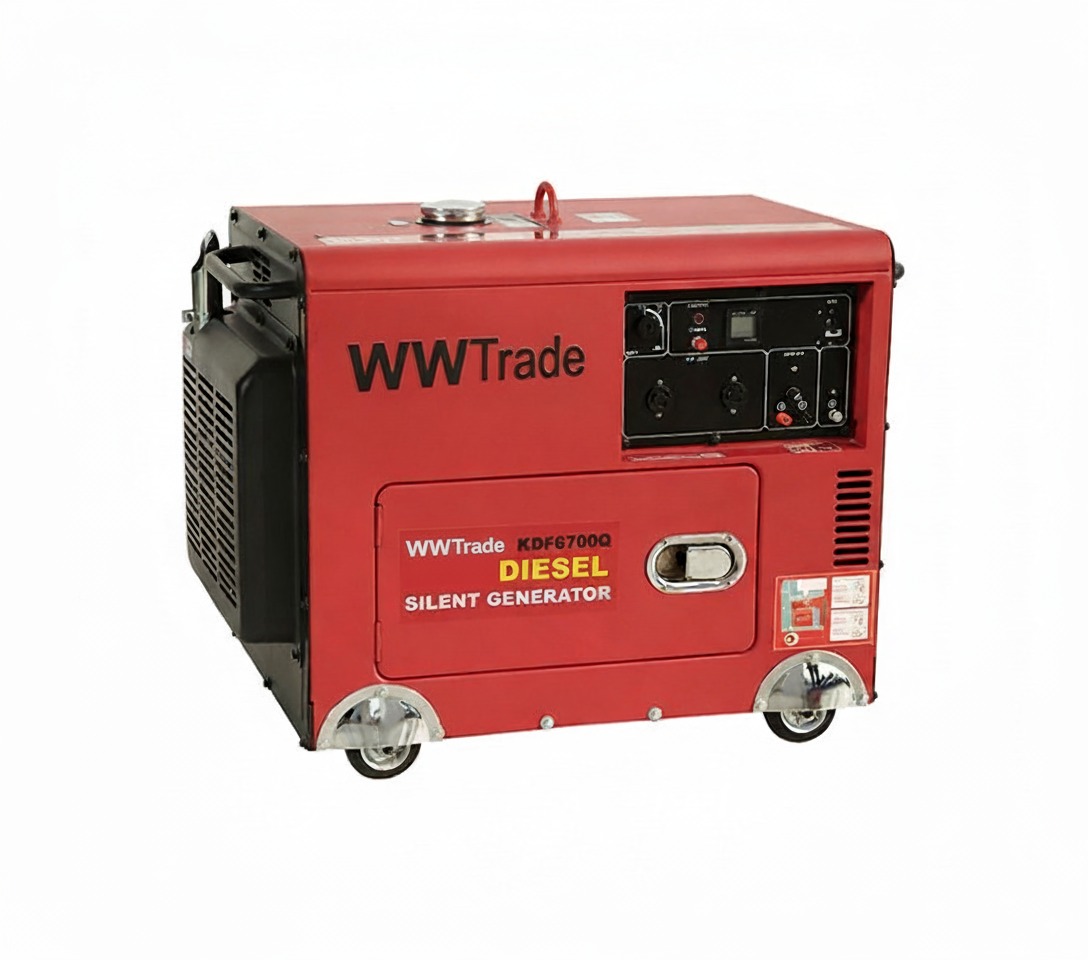
Consider equipping your maintenance team with digital multimeters and oil pressure gauges for on-the-spot testing. A practical diagnostic chart can significantly cut down troubleshooting time by guiding the sequence of checks.
Suggested diagnostic procedure:
1. Confirm oil level and sample condition
2. Measure sensor output voltage with multimeter
3. Inspect pump noise and pressure readings
What’s your most challenging low oil pressure issue, and how did you resolve it? Share your experience with us!
 182
|
182
|
 commercial backup power configuration
backup power load calculation
brushed self-excited technology
intelligent AVR voltage regulator
commercial emergency power solutions
306
|
Diesel engine application
Efficient power solutions
Machinery fuel economy
Key component quality control
Single - cylinder air - cooled diesel engine
278
|
generator diesel engine selection
diesel engine power matching
load adaptability
KD2V88F engine
power generation stability
138
|
V-twin diesel engine
water-cooled diesel technology
direct injection combustion system
agricultural machinery power
diesel engine efficiency
96
|
Low-noise gasoline engine
Precision gear transmission
High-efficiency air filter
Outdoor engineering equipment
Engine noise reduction technology
commercial backup power configuration
backup power load calculation
brushed self-excited technology
intelligent AVR voltage regulator
commercial emergency power solutions
306
|
Diesel engine application
Efficient power solutions
Machinery fuel economy
Key component quality control
Single - cylinder air - cooled diesel engine
278
|
generator diesel engine selection
diesel engine power matching
load adaptability
KD2V88F engine
power generation stability
138
|
V-twin diesel engine
water-cooled diesel technology
direct injection combustion system
agricultural machinery power
diesel engine efficiency
96
|
Low-noise gasoline engine
Precision gear transmission
High-efficiency air filter
Outdoor engineering equipment
Engine noise reduction technology




.jpg?x-oss-process=image/resize,h_800,m_lfit/format,webp)


