

When you operate a diesel arc welding generator, encountering a low oil pressure alarm can be alarming and disruptive. This warning often indicates critical issues such as insufficient oil levels, clogged oil passages, or sensor malfunctions — all of which, if neglected, risk severe engine damage or sudden shutdowns that halt your production. Understanding the common causes and a focused troubleshooting approach not only safeguards your equipment but also maximizes uptime.
The low oil pressure alarm is your engine’s early warning sign. Frequent alarms may reflect:
If unresolved quickly, these issues cause additional mechanical wear and can push your diesel engine into a critical failure state, disrupting your welding work and increasing maintenance costs.
Knowing what triggers low oil pressure alarm helps you troubleshoot efficiently. The six core causes include:
With a systematic approach, you can pinpoint issues within 5 minutes:
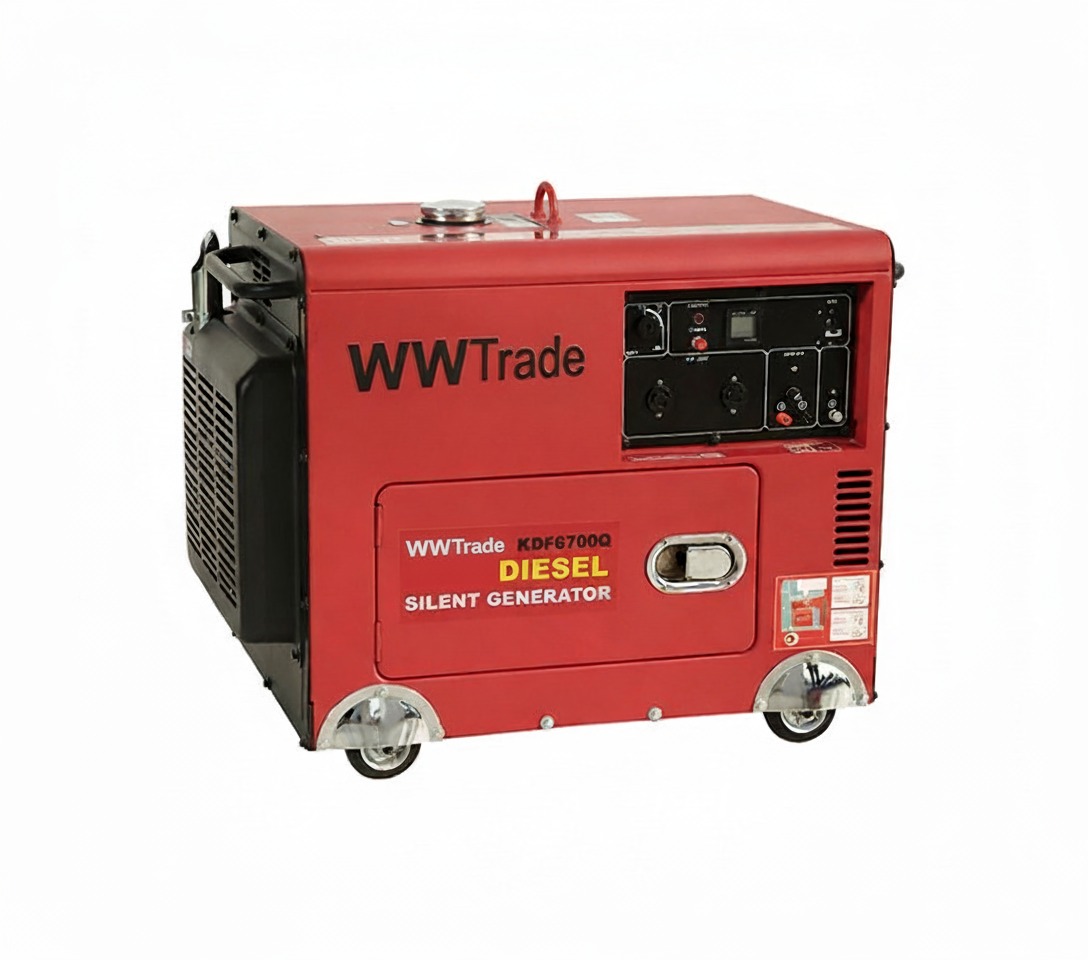
Our diesel arc welding generators integrate the KD192FE four-stroke air-cooled diesel engine, designed with features to minimize low oil pressure incidents. The low-inertia injection pump delivers precise fuel metering, and intelligent alarm logics filter out false positives — helping you focus only on genuine warnings. This advanced technology ensures stable power output and high diagnostic accuracy, elevating on-site operational confidence.
Moreover, the design incorporates robust oil circulation and cooling mechanisms that reduce risks associated with harsh environments, further extending engine life even under demanding continuous welding loads.
Prevention is always easier than reactive repair. Following these practical maintenance steps will help you avoid low oil pressure alarms:
Beware of these pitfalls that could lead to misdiagnosis:
By closely following this guide, you can confidently identify and correct low oil pressure alarms, protecting your diesel welding generator for smooth, safe, and uninterrupted operations.
 184
|
184
|
 plate compactor thrust adjustment
soil compaction speed control
KCPKDP60PC operation guide
soft ground compaction techniques
edge area compaction solutions
160
|
generator voltage fluctuation
AVR calibration method
generator maintenance tips
voltage instability solutions
intelligent voltage regulator guide
164
|
multi-purpose generator welding unit
KD192FE diesel engine
full copper coil motor
intelligent AVR voltage regulator
energy-saving welding equipment
96
|
Low-noise gasoline engine
Precision gear transmission
High-efficiency air filter
Outdoor engineering equipment
Engine noise reduction technology
323
|
Diesel engine applications
Emergency power supply solutions
Marine vehicle power systems
Machinery fuel economy
High - efficiency power solutions
plate compactor thrust adjustment
soil compaction speed control
KCPKDP60PC operation guide
soft ground compaction techniques
edge area compaction solutions
160
|
generator voltage fluctuation
AVR calibration method
generator maintenance tips
voltage instability solutions
intelligent voltage regulator guide
164
|
multi-purpose generator welding unit
KD192FE diesel engine
full copper coil motor
intelligent AVR voltage regulator
energy-saving welding equipment
96
|
Low-noise gasoline engine
Precision gear transmission
High-efficiency air filter
Outdoor engineering equipment
Engine noise reduction technology
323
|
Diesel engine applications
Emergency power supply solutions
Marine vehicle power systems
Machinery fuel economy
High - efficiency power solutions


.jpg?x-oss-process=image/resize,h_800,m_lfit/format,webp)


