
.jpg?x-oss-process=image/resize,h_1000,m_lfit/format,webp)
Diesel welding generator sets serve as vital equipment across various industrial applications due to their reliability and robust power output. Proper maintenance ensures operational efficiency, longevity, and reduces unexpected downtime. This guide provides a systematic approach to daily maintenance and troubleshooting for diesel welding generators, integrating advanced diagnostics and practical tips to optimize performance under diverse working environments.
Maintaining engine oil and filters is foundational. Using high-quality engine oil and replacing oil and air filters according to manufacturer-recommended intervals—typically every 250 hours or 3 months—prevents premature engine wear and protects critical components from contaminants. Monitoring oil pressure with a reliable gauge allows early detection of low oil pressure alerts, a primary indication of lubrication issues that can lead to catastrophic engine failure if unaddressed.
Electrical components demand special attention. Regular insulation testing of motor coils using a megohmmeter is critical. Insulation resistance should never fall below 1 megaohm at 500 V DC; values below this threshold signal potential short circuits or coil degradation. Additionally, the Automatic Voltage Regulator (AVR) system requires periodic calibration and inspection. Aging AVRs often cause voltage instability, manifesting as unstable welding currents or distorted output waveforms.
Low Oil Pressure Alarm: Common causes include oil sensor faults, blocked oil filters, oil pump failures, or degraded engine oil viscosity. Begin by inspecting and replacing the oil filter, then check sensor wiring integrity. If the alarm persists, conduct oil pump pressure testing and replenish with manufacturer-specified oil grade.
Electric Start System Malfunctions: Battery voltage below 12.4 V or corroded terminals often lead to start failures. Regularly clean terminals, verify battery condition, and test starter relay and solenoids. Attention to wiring continuity ensures minimal voltage drop during start-up.
Welding Current Instability & Waveform Distortion: These symptoms often trace back to the AVR, poor grounding, or winding faults. Employ an oscilloscope to analyze output waveforms—distortions may indicate AVR malfunction or alternator issues. AVR replacement or resetting is recommended after 5,000 operational hours or upon detecting voltage fluctuation beyond ±5%.
.jpg)
Use precision measuring tools such as infrared thermometers and insulation testers to identify hotspots or insulation breakdown early. Follow a maintenance checklist that includes:
Implementing a preventive maintenance program reduces breakdowns by an estimated 30–40%, enhancing operational availability.
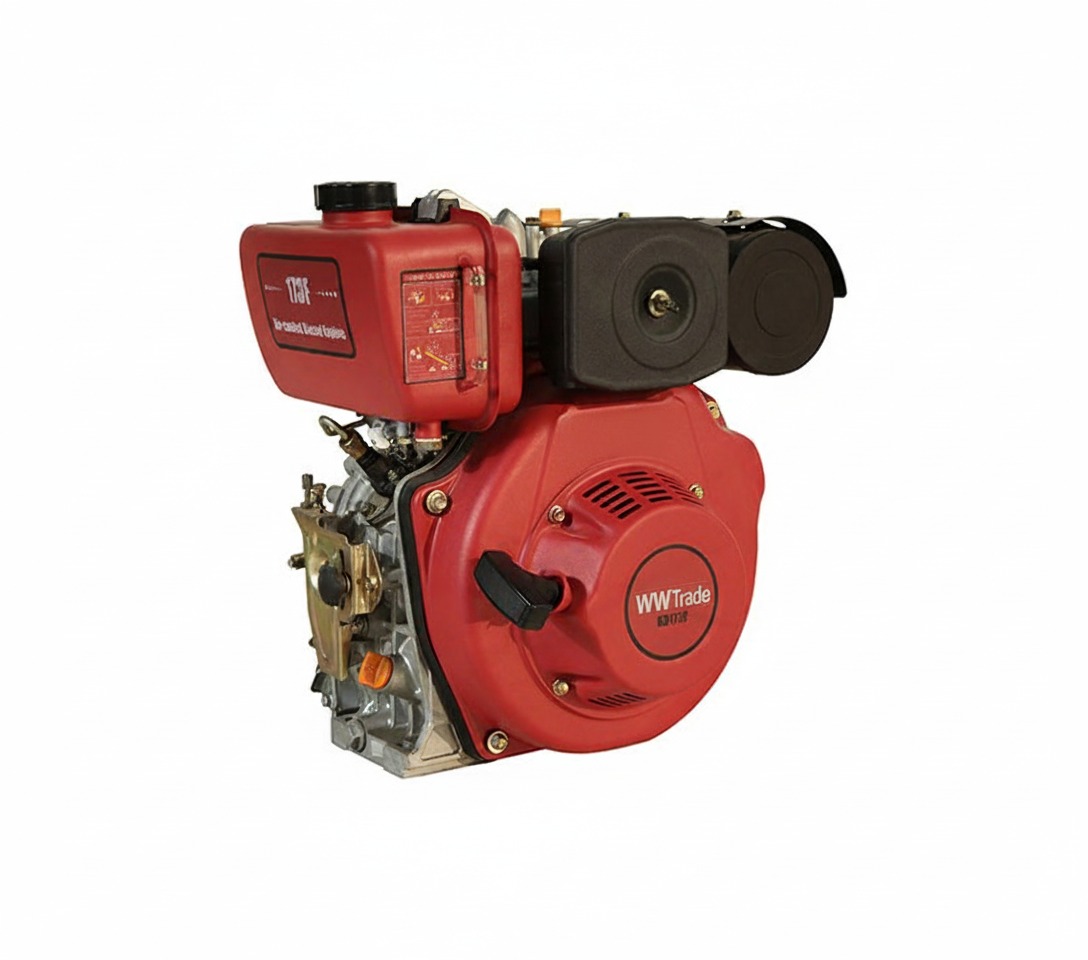
Optimizing fuel consumption is crucial. Avoid idling for extended periods and run the generator at 75–85% load for peak fuel efficiency. Use high-grade diesel complying with ISO 8217 or equivalent standards to prevent deposit formation inside fuel injectors. In adverse climates—extreme cold or dusty environments—install auxiliary equipment such as pre-heaters or air intake filters, respectively, extending equipment life and maintaining stable output.
Regular cleaning of radiator fins and checking coolant quality ensures thermal management efficiency, preventing overheating during continuous welding operations.
Mastering these maintenance techniques enables operators and engineers to significantly extend the service life of diesel welding generator sets, reduce operational costs, and ensure consistent welding quality. Leveraging WWTrade’s advanced diesel welding generators combined with diligent upkeep practices maximizes return on investment and operational reliability.
 201
|
201
|
 300
|
300
|





.jpg?x-oss-process=image/resize,m_fill,h_800,w_800/format,webp)
