When it comes to power generation systems, selecting the right diesel engine is a critical decision that directly impacts performance, reliability, and operational costs. This comprehensive guide explores the intricate relationship between load characteristics and diesel engine power rating, providing practical insights for generator set integrators and end-users.
Every power generation application presents unique load demands that fall into two primary categories: constant loads and fluctuating loads. Recognizing which category your application belongs to is the first step toward optimal diesel engine selection.
Constant load scenarios maintain relatively stable power requirements over extended periods. Examples include continuous manufacturing processes, large-scale irrigation systems, and base-load power generation. For these applications, engine selection focuses primarily on steady-state efficiency and long-term durability.
Fluctuating loads present more complex challenges, requiring engines that can rapidly adjust to changing power demands. Applications such as construction sites, emergency backup systems, and events facilities demand engines with excellent transient response characteristics. These systems often experience frequent start-stop cycles and sudden load increases that test an engine's flexibility.
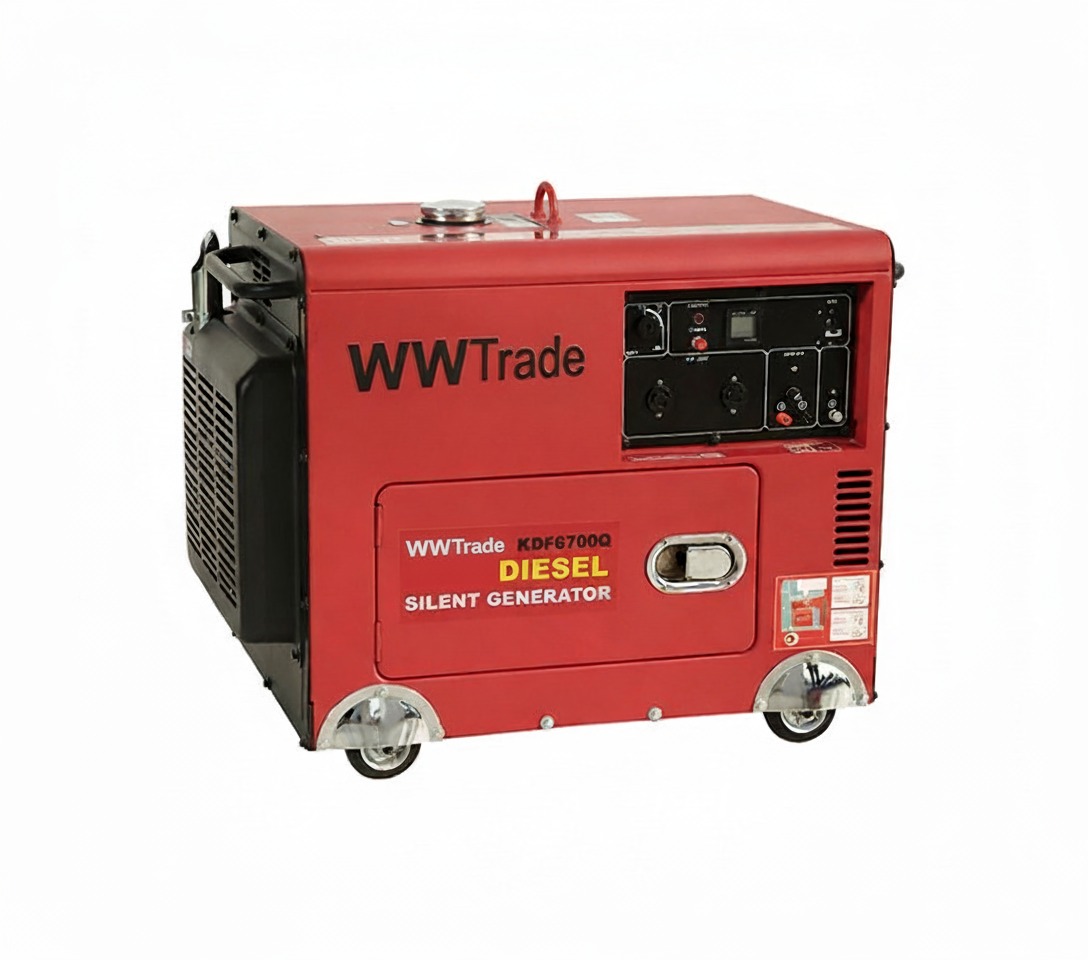
Selecting the right diesel engine involves more than just matching nominal power output. Three fundamental parameters determine how well an engine will perform under specific load conditions: power rating, torque curve, and speed response characteristics.
Diesel engines are typically rated according to ISO 8528 standards, which define different power categories:
| Power Rating | Application | Allowable Operating Time |
|---|---|---|
| Prime Power (PRP) | Continuous power supply | Unlimited hours at 100% load |
| Standby Power (ESP) | Emergency backup | <500 hours/year, max 70% load |
| Continuous Power (COP) | Base load operation | Unlimited hours at 70-100% load |
The torque curve of a diesel engine reveals its ability to handle load changes. Engines with a flat torque curve maintain consistent power output across a wide RPM range, making them ideal for fluctuating load applications. Speed response time—measured in seconds it takes to recover from a load change—is equally important, with premium engines achieving full load acceptance in under 3 seconds.
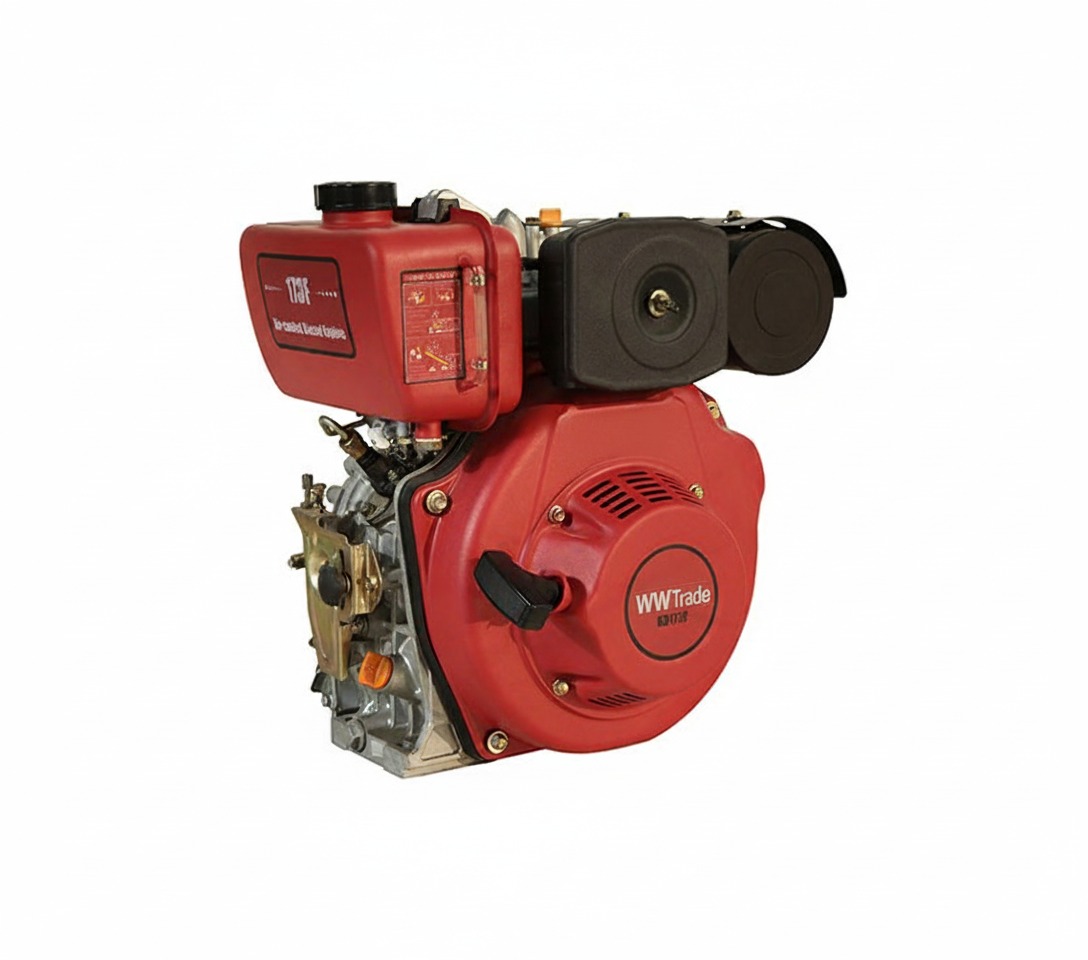
Proper load testing ensures your diesel generator will perform as expected under real-world conditions. Implementing appropriate testing protocols and protection mechanisms prevents costly failures and downtime.
Modern diesel engines incorporate sophisticated protection systems that prevent damage from excessive loads. These include electronic governors that maintain stable RPM under varying loads, thermal protection that prevents overheating, and low-oil pressure shutdowns. Properly configured systems should allow for momentary overloads (typically 10-15% above rated capacity) for short durations (10-15 minutes) without triggering shutdowns.

In real-world applications, the proof of an engine's performance lies in its ability to handle actual operating conditions. The KD2V88F diesel engine has demonstrated exceptional performance across various industries, particularly in applications with challenging load profiles.
A recent implementation at a large-scale construction site showcased the KD2V88F's capabilities in a highly fluctuating load environment. The project required power for everything from lighting and small tools to heavy machinery, resulting in load swings from 20% to 100% of capacity. The engine maintained stable operation throughout, with speed recovery times of less than 2.5 seconds and fuel efficiency improvements of approximately 8% compared to the previous generation engine.
Another notable application involved a data center backup system where reliability is paramount. The KD2V88F's ability to start under full load and maintain precise frequency control proved critical during several power outages, preventing costly data loss and downtime.
Discover how the KD2V88F diesel engine can transform your generator set performance with superior load handling and efficiency.
Explore KD2V88F Technical SpecificationsSelecting the right diesel engine requires careful consideration of load characteristics, technical specifications, and real-world performance. By understanding how these factors interrelate, generator set integrators and end-users can make informed decisions that optimize both performance and cost-efficiency. The key is to look beyond nominal power ratings and consider the complete operating profile of the application, ensuring the engine selected can handle not just the average load, but the extremes as well.
As power requirements continue to evolve with advancing technologies, the importance of proper diesel engine selection becomes even more critical. Investing time in understanding load characteristics and engine capabilities pays dividends through improved reliability, reduced operating costs, and extended equipment life.
 36
|
36
|
 High - efficiency power solutions
Diesel engine application
Machinery equipment fuel economy
Diesel engine starting methods
Agricultural machinery power
365
|
multi-functional plate compactor
foldable handle
thrust adjustment device
construction efficiency
equipment maintenance
340
|
Narrow deep trench compaction
Municipal road construction equipment
Corner area compaction
High - efficiency plate compactor
Construction equipment flexibility improvement techniques
31
|
Diesel engine fault diagnosis
Diesel engine starting difficulty troubleshooting
Causes of diesel engine power decrease
Abnormal smoking treatment methods
Engine daily maintenance guide
269
|
diesel welding generator maintenance
AVR voltage regulator troubleshooting
welding current instability
low oil pressure alarm handling
generator waveform distortion causes
High - efficiency power solutions
Diesel engine application
Machinery equipment fuel economy
Diesel engine starting methods
Agricultural machinery power
365
|
multi-functional plate compactor
foldable handle
thrust adjustment device
construction efficiency
equipment maintenance
340
|
Narrow deep trench compaction
Municipal road construction equipment
Corner area compaction
High - efficiency plate compactor
Construction equipment flexibility improvement techniques
31
|
Diesel engine fault diagnosis
Diesel engine starting difficulty troubleshooting
Causes of diesel engine power decrease
Abnormal smoking treatment methods
Engine daily maintenance guide
269
|
diesel welding generator maintenance
AVR voltage regulator troubleshooting
welding current instability
low oil pressure alarm handling
generator waveform distortion causes