

In the realm of outdoor engineering operations, the comfort of the working environment significantly impacts both the operator's well - being and overall productivity. Low - noise gasoline engines have emerged as a revolutionary solution to enhance the comfort level during outdoor work. The reduction of noise not only mitigates the stress and fatigue on operators but also contributes to a more harmonious working atmosphere. According to industry research, working in a high - noise environment (above 85 decibels) can lead to a 20% reduction in work efficiency over an extended period. In contrast, low - noise engines can maintain a more consistent and higher level of productivity.
One of the key technologies in low - noise gasoline engines is precision gear transmission. Precision gears are designed with high - precision manufacturing processes, which ensure smooth meshing and reduce the impact and friction between gears. When gears are not precisely manufactured, they can cause significant mechanical vibrations, which are then translated into noise. A well - designed precision gear transmission system can reduce mechanical vibrations by up to 60%. This reduction in vibration directly results in lower noise levels during engine operation. For example, in a small - scale outdoor construction equipment powered by a gasoline engine, the use of precision gears can make the engine noise almost inaudible at a distance of 5 meters.
Another crucial aspect of low - noise engine design is the high - efficiency air filter. The intake process of an engine can generate a significant amount of noise as air rushes into the combustion chamber. A high - efficiency air filter is engineered to not only purify the intake air but also dampen the noise generated during the intake process. By using advanced materials and a well - thought - out structure, these air filters can reduce intake noise by approximately 30%. In addition to noise reduction, they also improve engine performance by ensuring clean air enters the engine, which extends the engine's service life.
The low - noise gasoline engines have found wide applications in various industries. In the agricultural machinery sector, such as lawn mowers and small tractors, low - noise engines enable farmers to work for longer hours without being overly disturbed by engine noise. This not only improves their work experience but also reduces the potential harm to their hearing. In the field of engineering equipment, like small power generators used on construction sites, the low - noise design allows for operations in noise - sensitive areas, such as residential neighborhoods. During emergency power generation, low - noise engines can provide reliable power without causing excessive noise pollution, ensuring a more peaceful environment for those affected by power outages.
The ISO standard for engine noise in outdoor equipment requires engines to operate below a certain decibel level to ensure environmental and operator safety. Many engine manufacturers are committed to meeting and exceeding these standards. According to a white paper from the industry, the development of low - noise engine technology has been advancing rapidly, with continuous improvements in noise reduction performance. For example, in the past decade, the average noise level of low - noise gasoline engines has decreased by 15%.
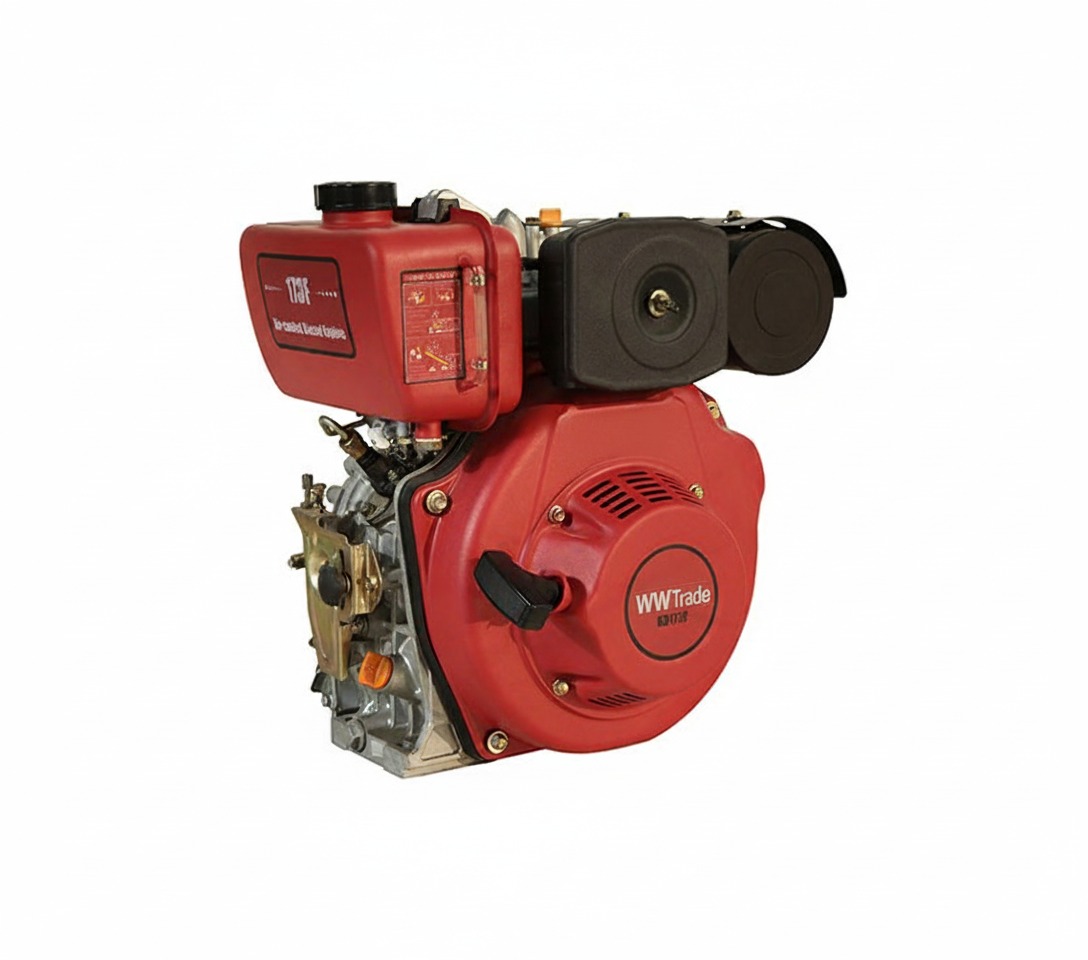
Looking ahead, the future of low - noise gasoline engine technology is promising. Manufacturers are expected to invest more in research and development to further reduce noise levels and improve engine efficiency. New materials and innovative designs will continue to be explored to enhance the performance of precision gear transmissions and air filters. Additionally, the integration of smart control systems may allow engines to adjust their operation parameters based on real - time noise levels and working conditions.
Discover the unparalleled quiet performance of our low - noise gasoline engines! Click here to learn more.
 384
|
384
|
 Air - cooled vertical gasoline engine
Low - noise design
Precision gear transmission
High - efficiency air filter
Mechanical vibration control
213
|
narrow trench compaction
municipal road construction equipment
high-efficiency plate compactor
trench dead zone compaction
construction equipment mobility
95
|
concrete cutter selection
road surface cutting equipment performance
cutting depth adjustment
rust-proof water tank advantage
equipment operation convenience
268
|
diesel welding generator maintenance
AVR voltage regulator troubleshooting
welding current instability
low oil pressure alarm handling
generator waveform distortion causes
215
|
twin-cylinder diesel engine maintenance
diesel engine fault troubleshooting
water cooling system maintenance
KD2V88F
diesel engine selection guide
Air - cooled vertical gasoline engine
Low - noise design
Precision gear transmission
High - efficiency air filter
Mechanical vibration control
213
|
narrow trench compaction
municipal road construction equipment
high-efficiency plate compactor
trench dead zone compaction
construction equipment mobility
95
|
concrete cutter selection
road surface cutting equipment performance
cutting depth adjustment
rust-proof water tank advantage
equipment operation convenience
268
|
diesel welding generator maintenance
AVR voltage regulator troubleshooting
welding current instability
low oil pressure alarm handling
generator waveform distortion causes
215
|
twin-cylinder diesel engine maintenance
diesel engine fault troubleshooting
water cooling system maintenance
KD2V88F
diesel engine selection guide



.jpg?x-oss-process=image/resize,h_800,m_lfit/format,webp)


