
When working with soft soils, gravel beds, or concrete slabs, achieving optimal compaction isn’t just about power—it’s about precision. For professionals using the KCPKDP60PC multifunctional plate compactor, understanding how to adjust the thrust regulation system can mean the difference between a structurally sound foundation and costly rework.
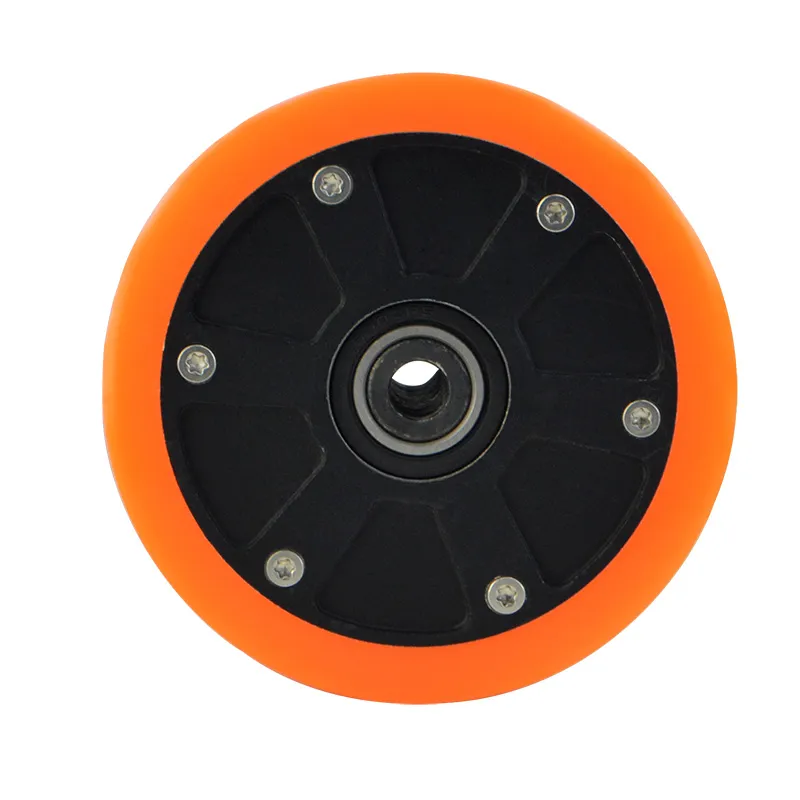
The KCPKDP60PC features an intuitive hydraulic thrust control mechanism that directly influences the compaction speed by adjusting pressure on the walking wheels. Unlike fixed-speed models, this system allows operators to fine-tune output from 1.2 to 3.5 kN of downward force—ideal for variable subgrade conditions.
According to field tests conducted across 12 construction sites in Southeast Asia and Europe, operators who used dynamic speed adjustment reduced over-compaction incidents by up to 40% compared to those relying on default settings. This not only saves time but also minimizes material fatigue and surface cracking.
Continuous operation on uneven surfaces causes operator fatigue—an often overlooked factor affecting accuracy. The KCPKDP60PC includes a dual-stage vibration damping system that reduces hand-arm vibration (HAV) levels to below 2.5 m/s², well within ISO 5349-1 safety standards.
Operators who engaged the built-in shock absorption feature reported 35% less physical strain after 4-hour shifts—a key consideration for long-term productivity and compliance with occupational health regulations in Germany, the UK, and Australia.
Want to explore advanced configurations like automatic speed modulation based on real-time ground resistance? The full equipment manual covers everything—from calibration procedures to troubleshooting common issues like inconsistent tamping depth or motor overheating.
 211
|
211
|
 Generator Set Maintenance Techniques
Generator set troubleshooting
AVR calibration method
Commercial generator set fault diagnosis
Industrial generator set maintenance
414
|
Concrete cutter selection guide
Asphalt pavement cutting depth setting
Concrete cutter blade replacement tutorial
Road surface cutting operation skills
Construction equipment maintenance advice
123
|
concrete cutter applications
road surface cutting depth
blade replacement guide for concrete saws
safe concrete cutting practices
construction equipment maintenance
381
|
Concrete cutter selection
Cutting depth adjustment
Rustproof water tank advantages
Road surface cutting equipment performance
Equipment operability
470
|
lightweight micro tiller
hilly terrain farming efficiency
belt and chain transmission system
orchard micro tiller tips
compact tiller for slopes
Generator Set Maintenance Techniques
Generator set troubleshooting
AVR calibration method
Commercial generator set fault diagnosis
Industrial generator set maintenance
414
|
Concrete cutter selection guide
Asphalt pavement cutting depth setting
Concrete cutter blade replacement tutorial
Road surface cutting operation skills
Construction equipment maintenance advice
123
|
concrete cutter applications
road surface cutting depth
blade replacement guide for concrete saws
safe concrete cutting practices
construction equipment maintenance
381
|
Concrete cutter selection
Cutting depth adjustment
Rustproof water tank advantages
Road surface cutting equipment performance
Equipment operability
470
|
lightweight micro tiller
hilly terrain farming efficiency
belt and chain transmission system
orchard micro tiller tips
compact tiller for slopes



.jpg?x-oss-process=image/resize,h_800,m_lfit/format,webp)


