

Are you facing startup issues with your welding generator set on site? Don’t worry—you’re not alone. Delays caused by generator startup failures can stall entire projects, risking deadlines and budgets. Understanding the root causes and having a clear troubleshooting process at your fingertips will save you both time and money, while ensuring safety and operational efficiency.
A welding generator set integrates a welding machine and a diesel or petrol-powered generator, designed for on-demand power during welding tasks. The startup sequence relies heavily on three core systems:
Let's focus on the five most frequent culprits stopping your generator from starting, backed by field data from construction and maintenance environments:
Follow this standardized flow to diagnose and resolve startup failures swiftly:
| Step | Inspection Action | Expected Normal Parameter |
|---|---|---|
| 1 | Check battery voltage and terminals for corrosion | ≥12.6V, clean terminals |
| 2 | Inspect fuel lines, filters, and fuel quality | No clog, clean filter, no water in fuel |
| 3 | Test AVR functionality and connections | Stable voltage output within ±5% |
| 4 | Examine starter motor and glow plug condition | Glow plug resistance < 3 Ω; starter motor operational |
| 5 | Verify operator practices per user manual | Correct choke, throttle, and valve settings |
📌 Referencing GB/T 1497-2018 Welding Equipment Safety Standard helps ensure compliance with operational safety and maintenance regulations.
Your troubleshooting approach also depends on the operational context:
Consistent maintenance boosts your welding generator’s uptime by over 30%, saving costly downtime. Here’s what you should prioritize:
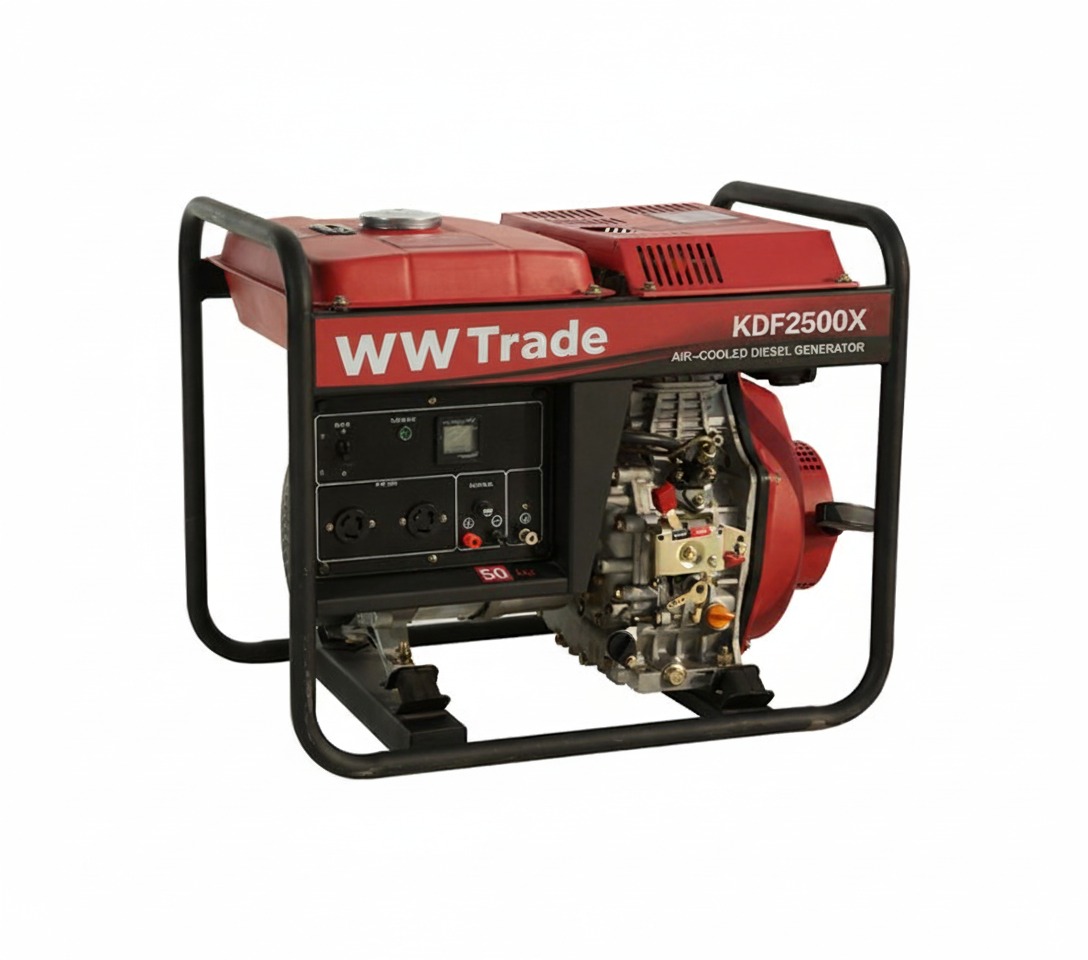
Successfully troubleshooting your welding generator demands both know-how and confidence. Equip your operators with hands-on guides and real case studies to reduce startup failure rates by 20% on average.
For example, avoid common mistakes like over-choking the engine in warm weather or ignoring warning lights, which often lead to lengthy repairs.
.jpg)
 199
|
199
|
 welding current adjustment
welding current settings guide
welding parameters optimization
welding defect solutions
70-220A welding current
484
|
small diesel generator installation
multi-cylinder diesel engine KD2V88F
diesel engine commissioning process
generator set safety procedures
diesel engine troubleshooting
211
|
multi-cylinder diesel engine selection
agricultural machinery power matching
diesel engine power rating
diesel engines for farm equipment
fuel-efficient agricultural engines
469
|
Multifunctional plate compactor
High - efficiency compaction equipment
Thrust adjustment device
Construction speed control
Base material compaction
220
|
twin-cylinder diesel engine maintenance
diesel engine fault troubleshooting
water cooling system maintenance
KD2V88F
diesel engine selection guide
welding current adjustment
welding current settings guide
welding parameters optimization
welding defect solutions
70-220A welding current
484
|
small diesel generator installation
multi-cylinder diesel engine KD2V88F
diesel engine commissioning process
generator set safety procedures
diesel engine troubleshooting
211
|
multi-cylinder diesel engine selection
agricultural machinery power matching
diesel engine power rating
diesel engines for farm equipment
fuel-efficient agricultural engines
469
|
Multifunctional plate compactor
High - efficiency compaction equipment
Thrust adjustment device
Construction speed control
Base material compaction
220
|
twin-cylinder diesel engine maintenance
diesel engine fault troubleshooting
water cooling system maintenance
KD2V88F
diesel engine selection guide




