

In modern industrial and agricultural applications, the demand for low - noise equipment is increasing. This tutorial will delve deeply into the low - noise design technology of air - cooled vertical single - cylinder four - stroke gasoline engines, focusing on the role of precision gear transmission and high - efficiency air filters in reducing noise and vibration during operation.
According to relevant industry research reports, in traditional gasoline engines, the noise generated during operation can reach up to 80 - 90 decibels, which not only affects the working environment but also may cause potential harm to workers' hearing. In contrast, engines with excellent low - noise design can reduce the noise level to 60 - 70 decibels, significantly improving the comfort of the working environment.
Precision gear transmission plays a crucial role in reducing engine noise. Through accurate gear meshing and high - precision manufacturing processes, the impact and friction between gears can be minimized, thereby reducing the noise generated during power transmission. For example, by using helical gears instead of straight gears, the contact area between gears can be increased, and the transmission process becomes more smooth, effectively reducing noise.
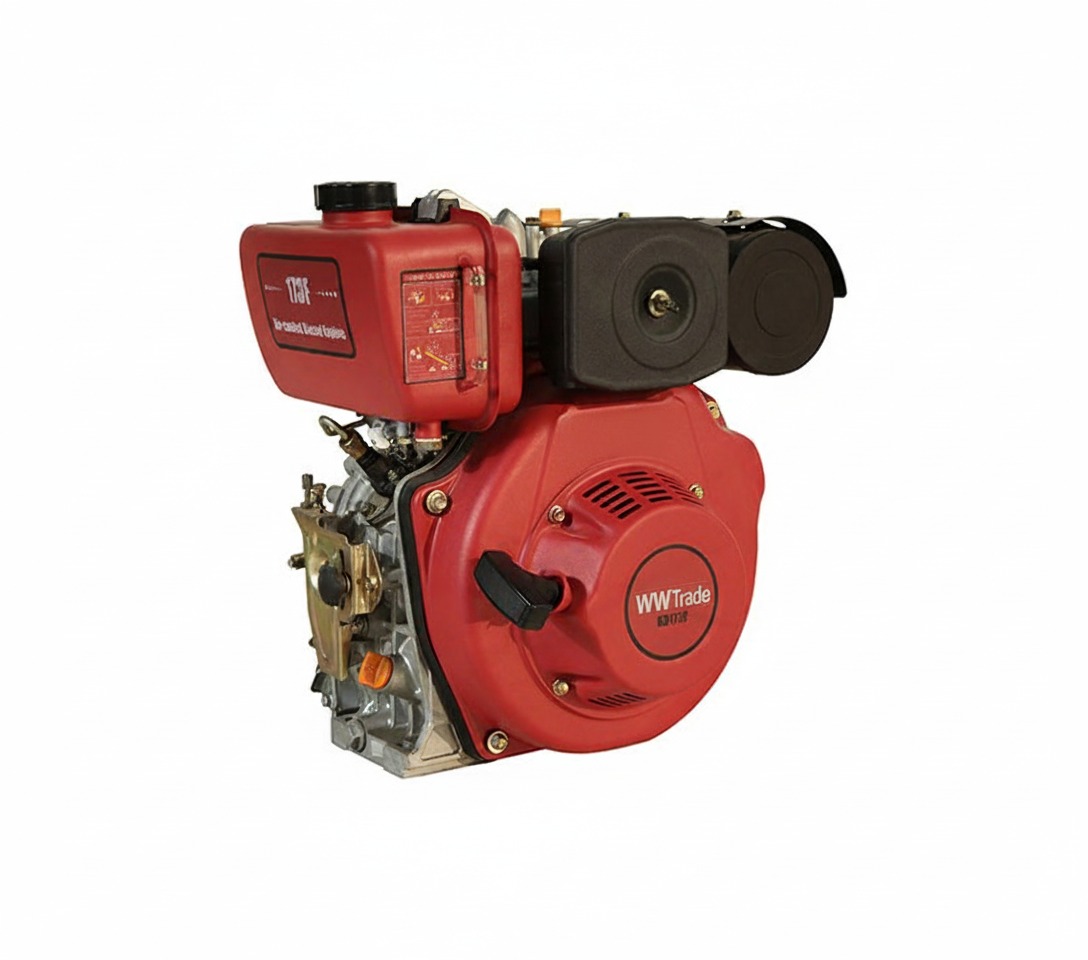
High - efficiency air filters also contribute significantly to noise reduction. They can not only filter out impurities in the air but also optimize the air flow path. When the air enters the engine through a well - designed air filter, the air flow becomes more stable, reducing the noise caused by turbulent air flow. For instance, some advanced air filters use multi - layer filtration structures and special air channel designs to achieve a better noise reduction effect.
Optimizing the mechanical structure of the engine can effectively control the propagation of noise and vibration. By strengthening the engine housing, using vibration - damping materials, and improving the overall structural rigidity, the vibration generated during engine operation can be reduced, and the noise transmission can be blocked. For example, adding damping pads between the engine components can absorb and dissipate vibration energy.
.jpg)
The analysis and optimization of the air flow path are also essential. A reasonable air flow path can ensure that the air enters and exits the engine smoothly, reducing the noise caused by air compression and expansion. According to experimental data, optimizing the air flow path can reduce the air - flow - related noise by about 10 - 15%.
In outdoor engineering, such as road construction and landscaping, low - noise gasoline engines can be used in construction machinery. These engines can operate quietly in urban areas without causing excessive noise pollution. For example, in a recent road construction project in the city center, the use of low - noise engines reduced the noise impact on the surrounding environment by more than 30%, ensuring the normal life of nearby residents.
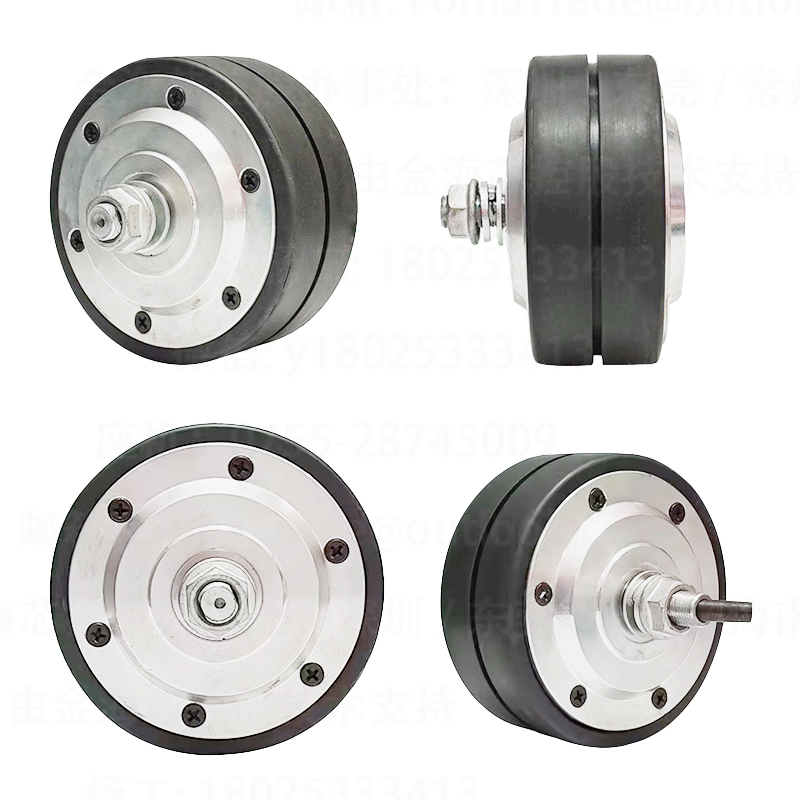
In the agricultural field, low - noise engines are widely used in agricultural machinery such as tractors and harvesters. They can provide a more comfortable working environment for farmers, especially during long - term operations. In addition, in emergency power generation scenarios, low - noise engines can provide reliable power supply without disturbing the surrounding environment, which is very important for hospitals, schools, and other places that require a quiet environment.
The international and domestic industries have established a series of standards for the noise level of gasoline engines. For example, the ISO standard clearly stipulates the noise limit values for different types of engines in various application scenarios. In the future, with the continuous development of technology, the low - noise design of gasoline engines will be more intelligent and efficient. The application of new materials and new manufacturing processes will further reduce the noise level of engines.
Interested in learning more about our advanced low - noise gasoline engines? Click here to get detailed information and professional guidance!
 55
|
55
|
 diesel engine maintenance
engine fault diagnosis
fuel system care
injector inspection
preventive maintenance
472
|
lightweight micro tiller
hilly terrain farming efficiency
belt and chain transmission system
orchard micro tiller tips
compact tiller for slopes
478
|
concrete cutter
asphalt pavement cutting depth
blade replacement tutorial
pavement maintenance operation
cutting parameter optimization
148
|
concrete cutter selection
pavement cutting equipment performance
adjustable cutting depth
rust-resistant water tank benefits
vibration reduction technology
311
|
Diesel engine applications
Emergency power supply solutions
Marine vehicle power systems
Machinery fuel economy
High - efficiency power solutions
diesel engine maintenance
engine fault diagnosis
fuel system care
injector inspection
preventive maintenance
472
|
lightweight micro tiller
hilly terrain farming efficiency
belt and chain transmission system
orchard micro tiller tips
compact tiller for slopes
478
|
concrete cutter
asphalt pavement cutting depth
blade replacement tutorial
pavement maintenance operation
cutting parameter optimization
148
|
concrete cutter selection
pavement cutting equipment performance
adjustable cutting depth
rust-resistant water tank benefits
vibration reduction technology
311
|
Diesel engine applications
Emergency power supply solutions
Marine vehicle power systems
Machinery fuel economy
High - efficiency power solutions




.jpg?x-oss-process=image/resize,h_800,m_lfit/format,webp)


